

On 26 December 2004, at 7:58 a.m. local time (00:58 UTC), a powerful earthquake struck the Banda Aceh region in Indonesia, marking the beginning of one of the most devastating natural disasters of the last century. The 9.1 magnitude earthquake is one of the strongest earthquakes recorded in the 20th and 21st centuries and was generated by the rupture of a fault over 1,000 km long at the edge of the Indo-Australian plate.
The tsunami waves spread across the Indian Ocean and beyond: near the epicentre in Aceh (Indonesia), run-ups of over 30 metres were recorded. In Thailand (where the waves reached run-ups of 10-20 m depending on coastal exposure), Sri Lanka (10-13 m run-up), India and the Maldives, the tsunami caused devastation and tens of thousands of deaths, including tourists from all over the world.
The overall impact was devastating: over 227,000 confirmed fatalities and hundreds of thousands of displaced persons, with incalculable economic and social damage to local communities (here you can find more info about the tsunami).
The life-saving indigenous knowledge of the Moken
There are many stories that have emerged following this catastrophic event. Some of them have been included in the storymaps dedicated to the Indian Ocean tsunami, published last year.
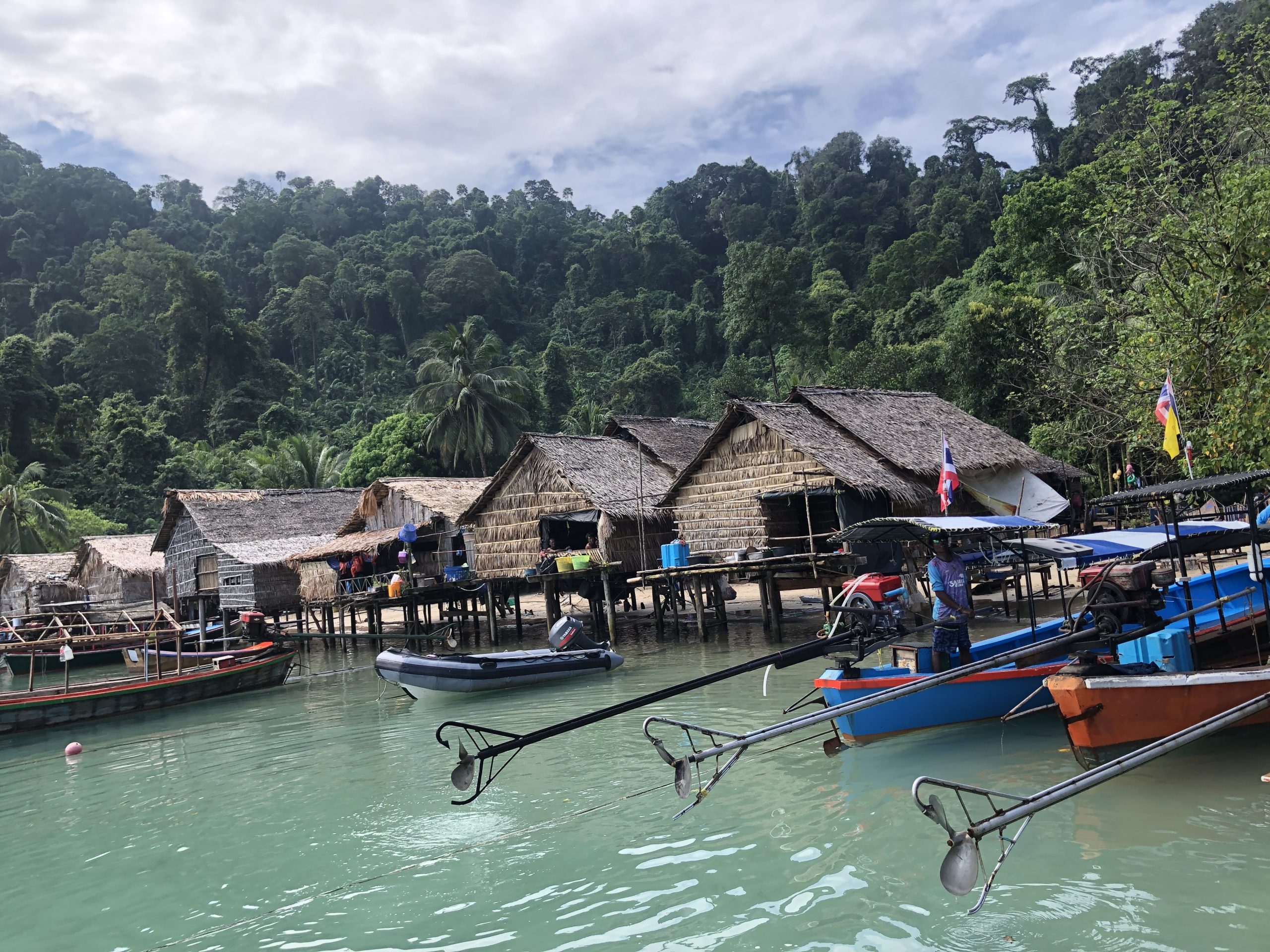
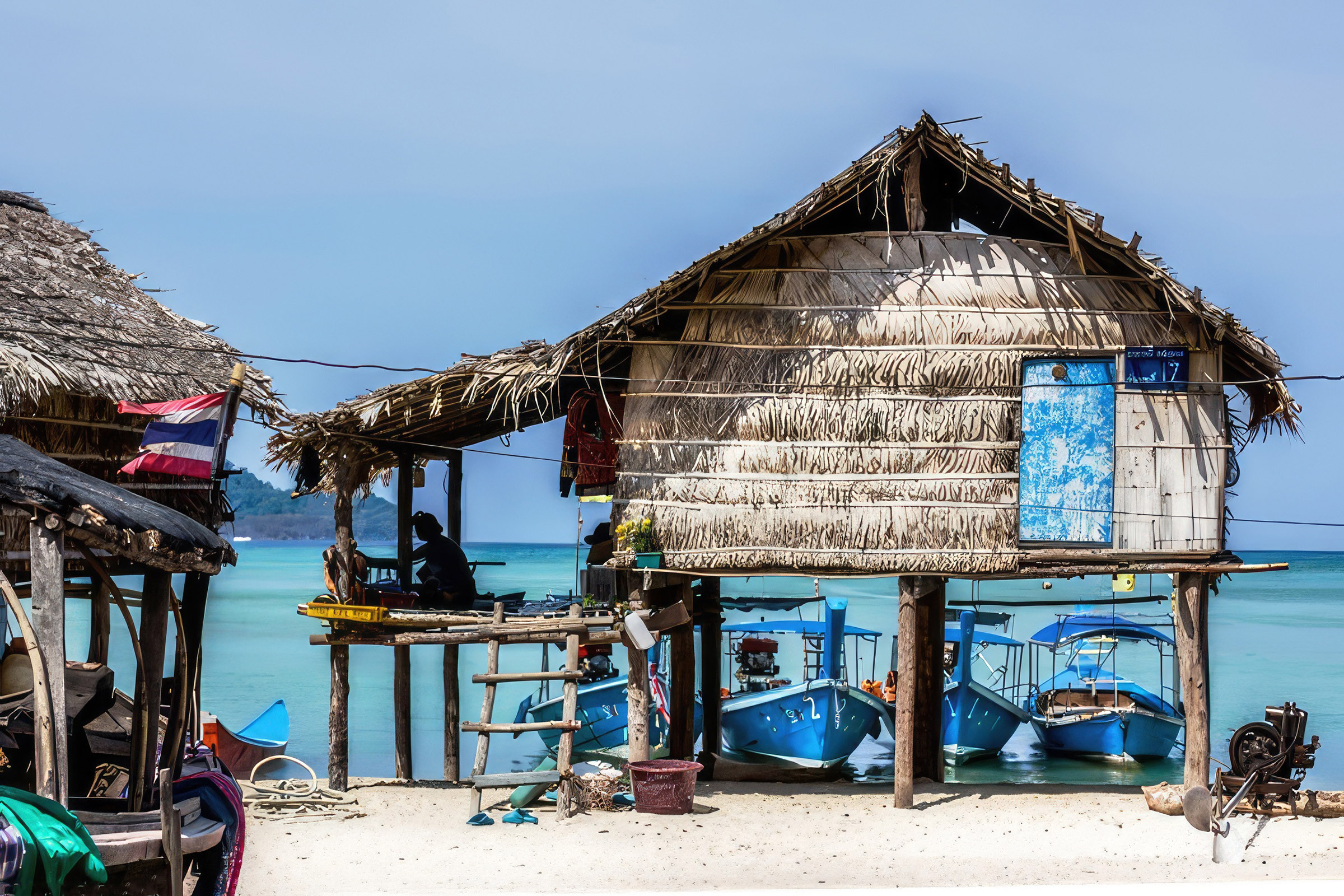
From a socio-cultural perspective, one of the most significant examples concerns the Moken, an indigenous and nomadic people who have always lived at sea (in villages built on wooden stilts) and on the islands between Thailand and Myanmar. In the Thai language, the term Chao Lay identifies the Moken as “people of the sea”, an expression commonly used to refer to the indigenous maritime peoples of the region. The Moken traditionally live in boats called “kabang” and spend most of the year at sea, developing a deep knowledge of marine dynamics and the natural signals of the environment.
Ethnographic and sociological studies have documented how, on 26 December 2004, the Moken observed an abnormal withdrawal of the sea from the coast, along with other natural signs that they associate with unusual natural phenomena. These signs corresponded to what then happened: the arrival of the tsunami waves.
These signs are codified in their oral tradition through the legend of “Laboon”, the “big wave that swallows people”: a narrative that associates the sudden retreat of the sea with mortal danger and teaches people to move inland.
The knowledge, handed down through generations of observations, is what enabled the community to recognise the natural precursors of the tsunami and to seek safety, with an extremely low mortality rate among the Moken compared to the surrounding populations. Although living in wooden stilt houses, which are lightweight structures vulnerable to extreme natural events, could make the Moken more exposed to risk, this vulnerability was balanced by a deep knowledge of the coastal environment and the correct interpretation of its signals.
This episode stimulated the interest of the scientific community and international organisations as an example of the value of indigenous knowledge in natural disaster risk reduction, prompting the integration of local knowledge into natural hazard warning and preparedness programmes.
The 2004 tsunami also highlighted the importance of combining scientific knowledge with traditional local knowledge to reduce the risk of disaster.