

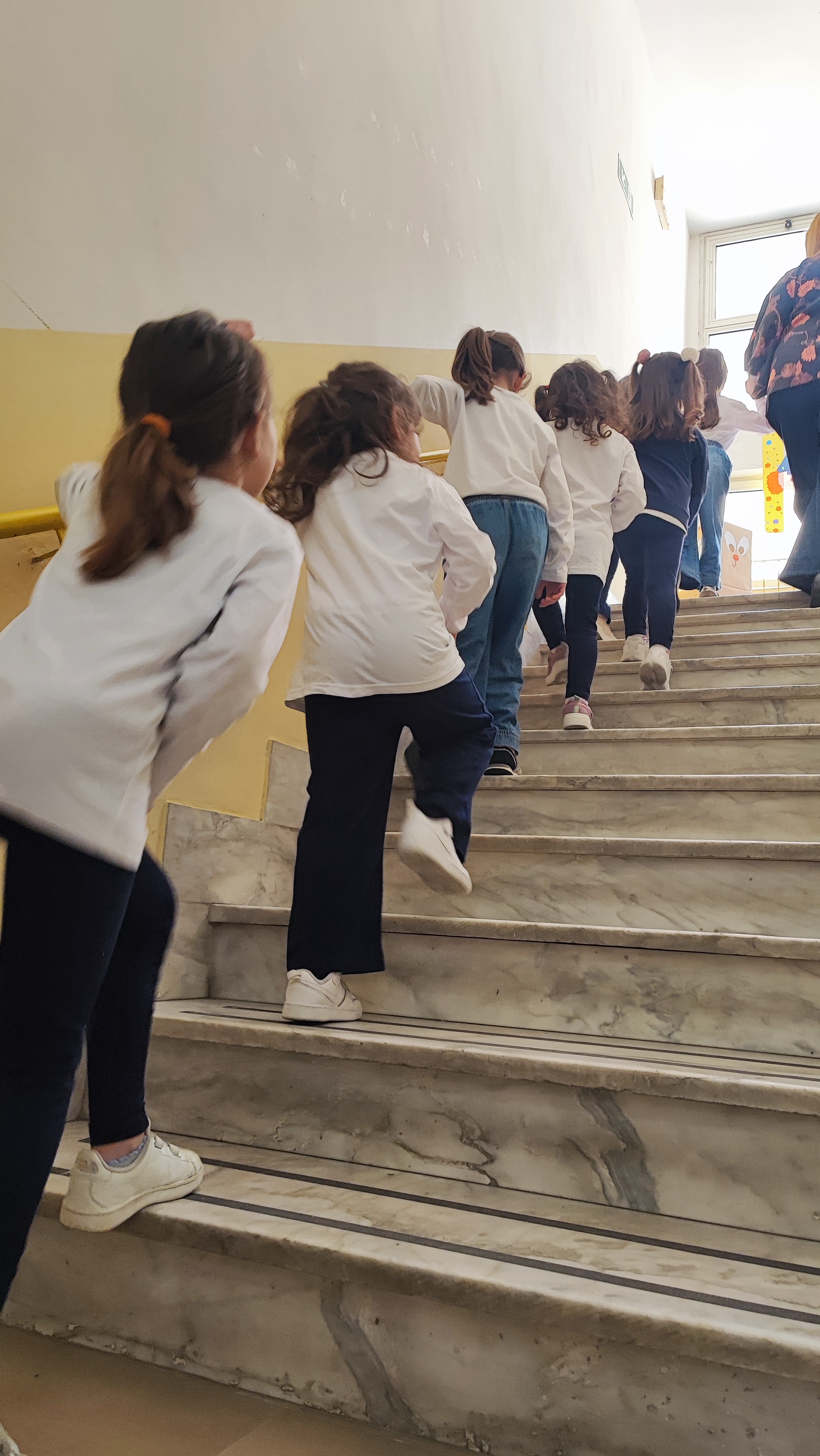
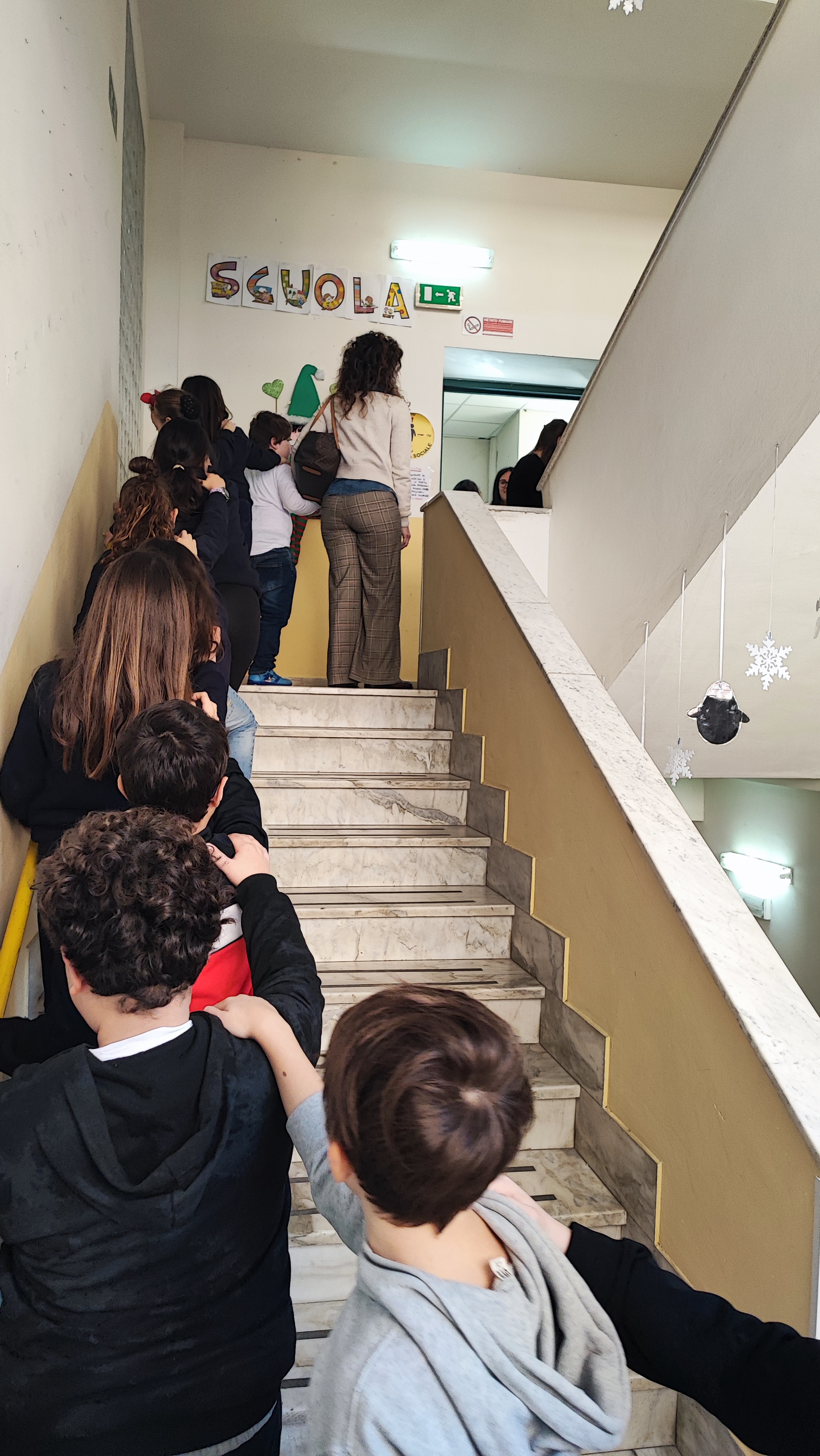
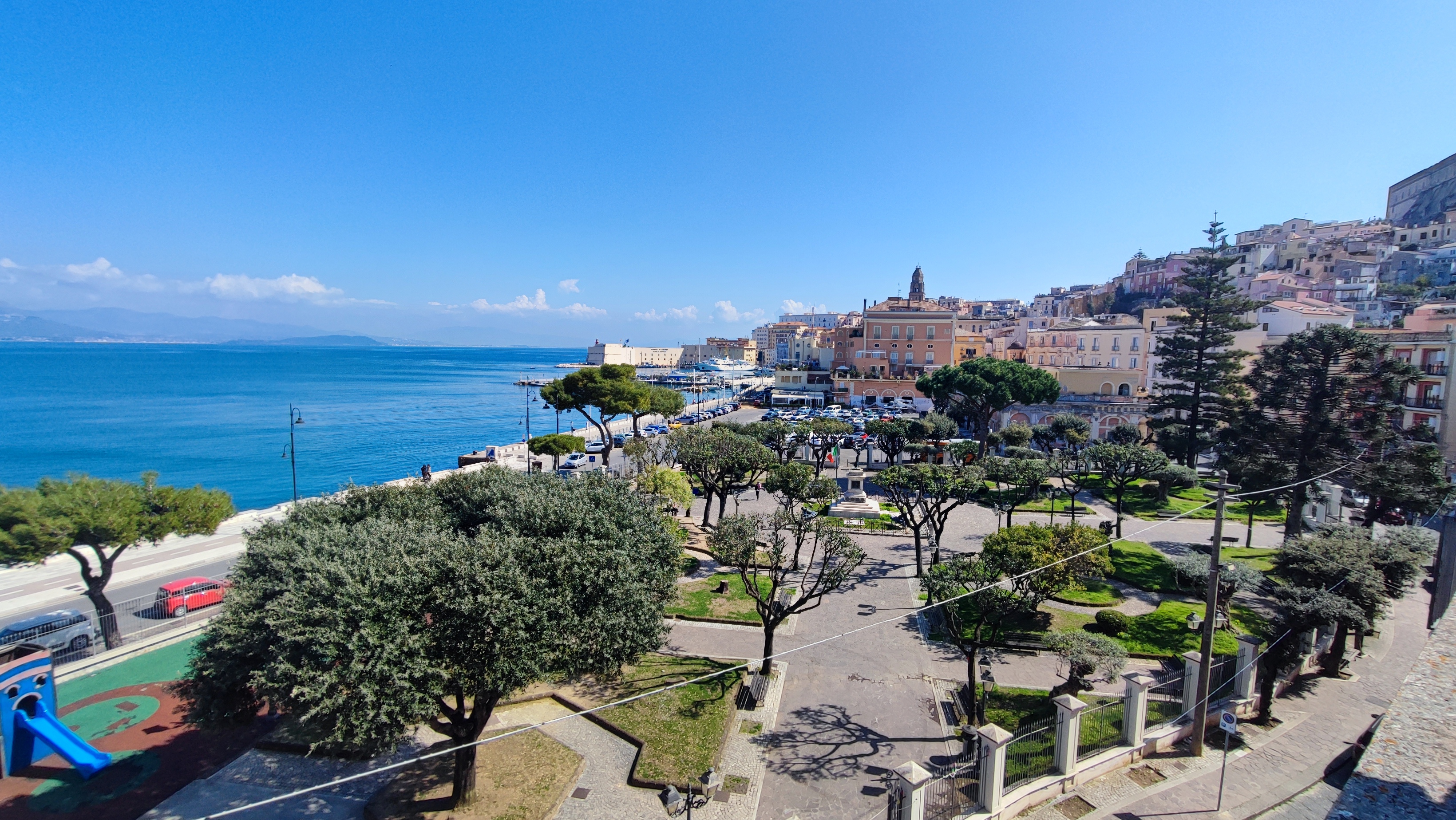
 Moments from the vertical evacuation at the Giuseppe Mazzini school in Gaeta (March 10, 2026) and a panoramic view taken from the school terrace.
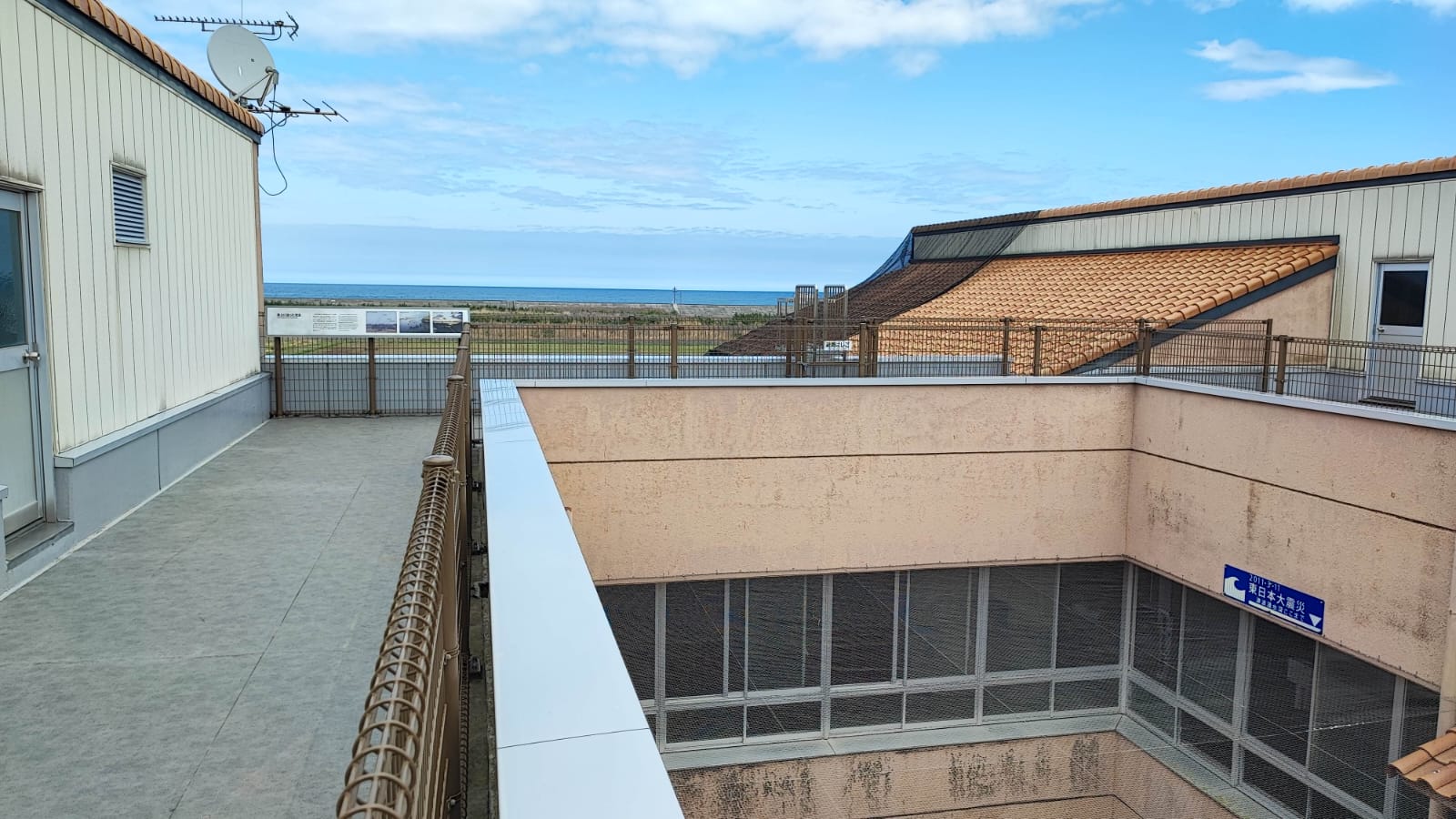
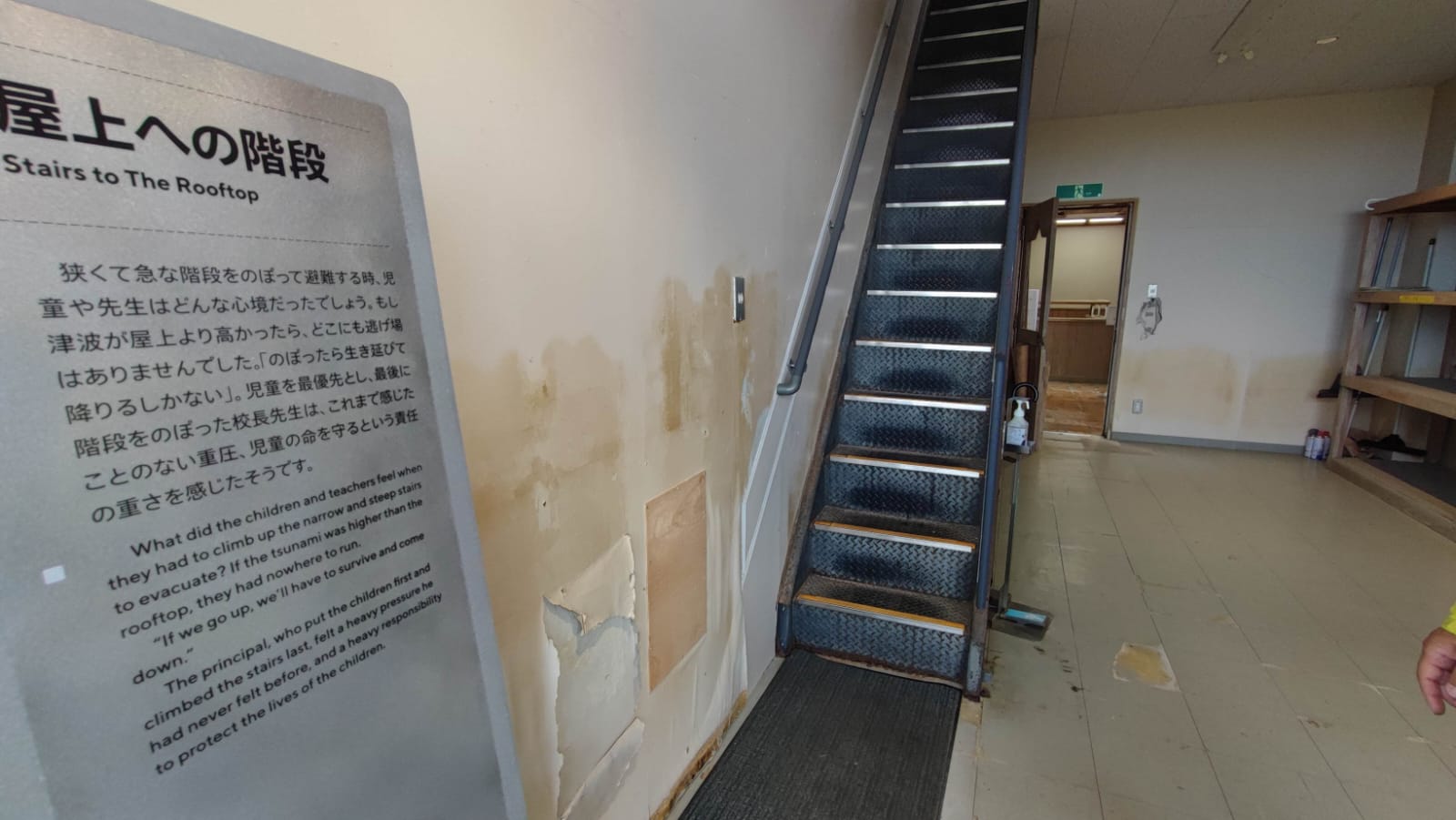
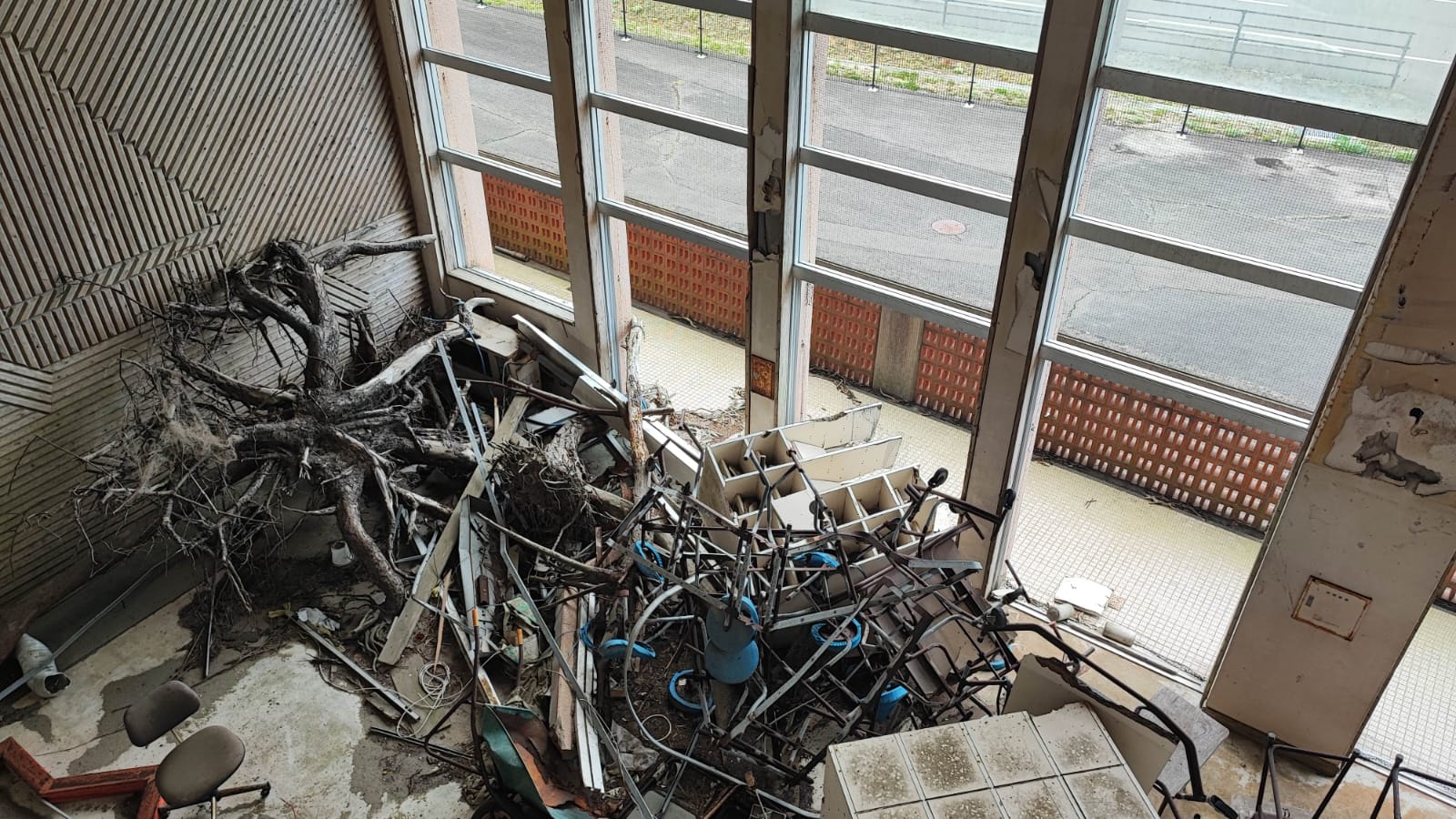 Nakahama Elementary School (Japan, Miyagi Prefecture). Photos taken during a visit to the memorial museum of the Great East Japan Earthquake and Tsunami of March 2011. The school's roof (last photo) provided shelter for several nights to students, teachers, and some residents of the nearby village before help arrived.
Yesterday, March 10, 2026, the Giuseppe Mazzini nursery and primary school in Gaeta (LT) carried out a tsunami drill involving a vertical evacuation of the school building. The activity involved students, teachers, and school staff and simulated the activation of procedures in the event of a tsunami warning. Following the emergency plan, the classes were orderly guided to the upper floors of the building, identified as safe areas in the event of a possible tsunami. For the children, it was a useful opportunity to familiarize themselves with the behavior to adopt in an emergency.
The initiative is part of the Tsunami Ready program, which the municipality of Gaeta recently joined. The program involves achieving 12 indicators relating to the preparedness of coastal communities, including emergency planning, the development of warning systems, public information, and regular drills. With this participation, Gaeta is the second municipality in Lazio to join the program.
The exercise is also linked to today's anniversary, March 11, 2026, the anniversary of the great earthquake that struck eastern Japan in 2011. The 9.1 magnitude earthquake struck off the northeast coast of Japan and generated a tsunami that particularly affected the Tohoku region, mainly the prefectures of Miyagi, Iwate, and Fukushima.
The Japanese experience has highlighted how knowledge of the territory and its risks is fundamental in reducing the effects of events such as tsunamis, which occur relatively infrequently but can have extreme impacts on people and buildings. Recognizing the signs that may precede a tsunami—such as a strong earthquake or a sudden retreat of the sea—and knowing how to behave can make all the difference.
A significant example concerns Nakahama Elementary School in Miyagi Prefecture (YouTube video link), located about 400 meters from the coast. After the earthquake on March 11, 2011, about 90 people, including students and residents who had taken refuge in the school, were inside the building. After feeling the strong earthquake and activating the tsunami warning systems, the school director decided to evacuate them all to the roof of the building, instead of moving the group to a more distant gathering point.
The tsunami reached almost to the second floor of the building and the school was surrounded by water, but everyone on the roof was saved. The Nakahama Elementary School building was subsequently preserved as a memorial to the earthquake and tsunami, keeping the marks left by the event visible. Last spring, we had the opportunity to visit the site, which today is a memorial dedicated to disaster prevention education, where visitors and students can learn about what happened and reflect on the importance of preparedness and risk awareness.
Initiatives such as the drill carried out in Gaeta are moving in the same direction: promoting awareness of local risks and the correct procedures to follow in case of emergency, starting with schools.